Understanding Common Issues with Garage Doors Not Closing
The frustration of a garage door that won’t close can be a major inconvenience. Not only can it compromise the security of your home, but it can also leave you scrambling for a solution, often in a rush. Various factors can lead to this malfunction, and understanding them is the first step towards a resolution. In this guide, we will explore the common issues that prevent garage doors from closing, and provide you with insights into effective troubleshooting techniques. If you find yourself battling with a garage door not closing, knowing these causes could save you time and money.
What Causes Garage Doors to Not Close?
Many homeowners experience a garage door that refuses to close, and the reasons behind this can range from simple to complex. Here are the most common causes:
- Obstructed Sensors: One of the most frequent issues is obstructed photoelectric sensors, which are designed to detect objects in the doorway. If these sensors are dirty or misaligned, the door will not close.
- Misaligned Tracks: If your garage door tracks are bent or misaligned, the door may not be able to travel along them correctly, leading to closure issues.
- Faulty Garage Door Opener: The mechanism that operates the door may be malfunctioning. This could stem from electrical issues, stripped gears, or simply a faulty remote control.
- Broken Springs or Cables: The springs and cables are essential for lifting the garage door. If they are broken, the door may not close or may come crashing down unexpectedly.
Common Misconceptions About Garage Door Malfunctions
There are several misconceptions surrounding garage door failures that can lead to users misdiagnosing issues:
- All Issues Require Professional Help: While some issues do require a technician, minor problems, like cleaning and realigning sensors, can often be fixed by homeowners.
- Garage Doors Always Need Replacement: Many believe that a malfunctioning garage door is beyond repair, but in most cases, simple fixes or parts replacements are viable solutions.
- Remote Control Problems Are Always the Issue: While a faulty remote can cause issues, problems often lie within the door mechanics themselves.
Signs Your Garage Door Needs Immediate Attention
Recognizing the signs that your garage door requires repair can prevent further damage and ensure safety:
- The door opens partially and then reverses.
- You hear unusual noises during operation, such as grinding or squeaking.
- The door closes only to reopen immediately.
- The door doesn’t respond to the remote or wall switch.
Why Quick Response Matters in Garage Door Repairs
When confronted with a non-functioning garage door, the urgency of the situation becomes apparent. A door that won’t close leaves your home vulnerable and can create a stressful situation for homeowners.
The Stress of a Non-Closing Garage Door
The inconvenience of a malfunctioning garage door can be overwhelming. It can pose security risks, especially when valuable vehicles or equipment are housed inside. Additionally, unexpected guests or inclement weather can further complicate matters. Responding quickly to these issues not only mitigates stress but also ensures your home remains secure.
Emergency Solutions for Garage Door Failures
If you find yourself facing an emergency due to a garage door not closing, there are immediate steps you can take:
- Check for Obstructions: Inspect the sensor area for any debris or blockages that might prevent proper operation.
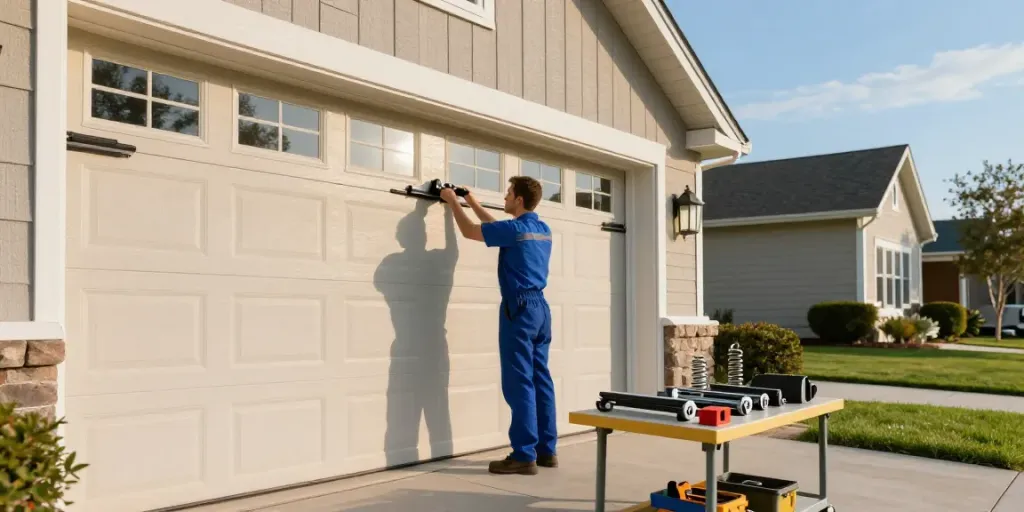
- Inspect the Tracks: Ensure the tracks are free from dents and realign them if necessary.
- Manually Override the Opener: If the power is out or the remote isn’t functioning, use the manual release cord to close the door.
How to Facilitate Faster Repairs
Being prepared can significantly speed up the repair process. Here are actionable steps you can follow:
- Provide a clear description of the issue when calling for assistance.
- Have the model number and brand of your garage door opener handy for technicians.
- Ensure easy access to the garage for the repair technician.
Key Repair Techniques for Garage Doors in Yokine
Understanding the methods used for repairing common garage door issues can empower homeowners to make informed decisions.
Off-Track Repairs Explained
When a garage door jumps its tracks, it can be a serious issue. Here’s how professionals typically handle it:
- Assess the alignment of the door and tracks.
- Gently guide the rollers back into the track while ensuring not to force the door.
- Check and replace any damaged roller or track components.
Addressing Sensor Issues
Garages with malfunctioning sensors can lead to significant problems. Technicians often:
- Clean the sensor lenses to remove dirt or spider webs.
- Realign sensors to ensure they are facing each other directly.
- Replace faulty sensor parts as needed to restore functionality.
Motor and Opener Troubleshooting
Motor issues are commonly found in garage door malfunctions. To diagnose motor-related problems, technicians typically:
- Check the power supply to the opener for any disconnections.
- Inspect the opening mechanism for stripped gears or damaged components.
- Ensure that the settings are configured correctly and revert any misalignments.
Finding the Right Garage Door Repair Service
Choosing the right garage door repair service in Yokine can make a significant impact on the outcome of your repairs.
What to Look for in a Repair Technician
When selecting a garage door technician, consider the following factors:
- Experience and Expertise: Look for technicians with specific training in garage door systems.
- Licensing and Insurance: Ensure the company operates within legal and safety standards.
- Customer Service: Assess their responsiveness and ability to communicate effectively.
Comparing Service Options in Yokine
Not all garage door repair services are created equal. Take the time to compare:
- Response times for emergency services.
- Availability of same-day repairs.
- The variety of brands and types of doors they service.
Customer Reviews and Recommendations
Before settling on a service, check for customer feedback. Positive reviews can indicate reliability, while patterns of complaints may signal potential issues. Always seek recommendations from friends or family who have previously used local services.
Long-Term Maintenance Tips for Garage Doors
Regular maintenance can extend the lifespan of your garage door, reducing the likelihood of unexpected failures.
Regular Inspections and Preventative Practices
Schedule periodic inspections to identify potential issues before they escalate. Regular oiling of moving parts and checking the balance of the door can prevent many common problems.
Signs of Wear and Tear to Monitor
Stay vigilant regarding the following signs that your garage door may need attention:
- Physical cracks or chips in the door material.
- Increased noise levels, indicating potential mechanical failure.
- Irregular opening and closing patterns.
Best Products for Garage Door Maintenance
Investing in quality maintenance products can go a long way. Look for:
- High-quality lubricant for tracks and moving parts.
- Cleaning agents meant for garage doors that remove grime without damaging surfaces.
- Replacement parts from reputable brands for DIY repairs.