
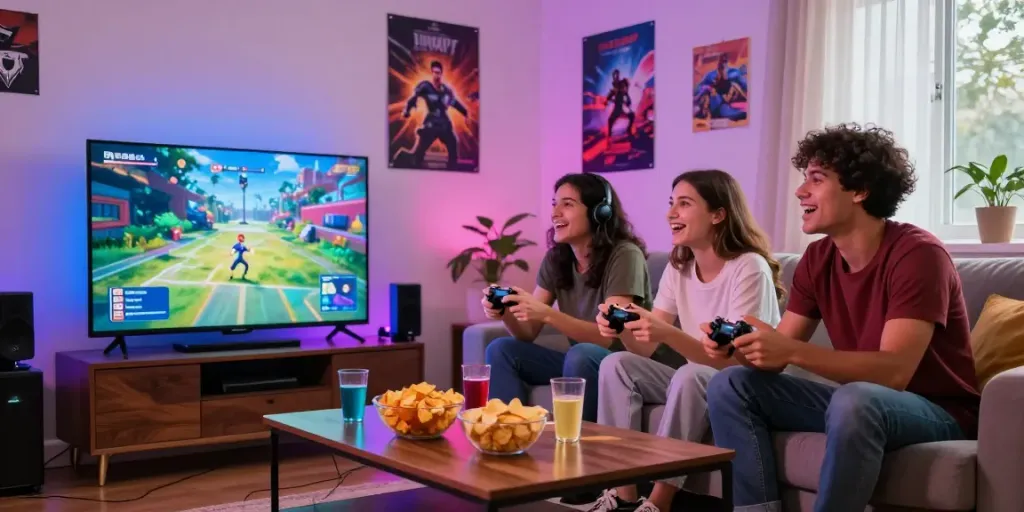
Understanding Multiplayer Game Genres
In the diverse world of online gaming, the selection of multiplayer games can significantly shape the experience shared among friends. Choosing the right game involves a careful consideration of various genres and gameplay modes, ensuring that the sessions remain engaging and fun. By focusing on popular titles within genres such as battle royale, role-playing, and strategy, players can foster a collaborative atmosphere that enhances teamwork and strategy. When exploring options, mild88 provides comprehensive insights into what titles are trending and how they fit into different play styles.
Exploring Team-Based Games
Team-based games like Mobile Legends, PUBG Mobile, and Valorant are excellent choices for groups looking to cultivate camaraderie through strategic gameplay. These games demand high levels of teamwork and communication, making them perfect for friends who want to collaborate toward a common goal. Players must coordinate their actions, strategize effectively, and build synergy to outperform their opponents. Understanding the intricacies of each game can enhance player interaction, making each session not just competitive but also enjoyable.
Casual vs. Competitive Play
It is essential to differentiate between casual and competitive gameplay when selecting a multiplayer game. Casual games typically encourage laid-back interactions, perfect for socializing while playing. In contrast, competitive games usually involve a structured environment where skill and strategy heavily influence outcomes. Understanding your group's dynamic and the casual or competitive nature of these titles can help in making the right choice, ensuring everyone has a good time.
Choosing Genres that Fit Your Group
When selecting a multiplayer game, it's crucial to choose a genre that aligns with the interests of all players involved. For example, if your group enjoys action-packed combat, titles within the first-person shooter genre might be ideal. Alternatively, if strategic thinking and role-playing appeal more, games in the RPG or MOBA categories could be more suitable. The key is to consider everyone’s preferences and select games where all members can participate actively and enjoyably.
Evaluating Technical Requirements
Before diving into a multiplayer game, understanding the technical requirements is imperative. Factors such as hardware specifications and storage space can greatly affect the gaming experience. Those looking to play on mobile devices or PCs should ensure their setups meet the minimum requirements to avoid performance issues.
Hardware Specifications for Optimal Gameplay
Having the right hardware is crucial for experiencing seamless gameplay. For mobile games, consider devices that support high frame rates and graphics settings. For PC gamers, ensuring that your machine has adequate RAM, a powerful GPU, and a fast processor will significantly enhance your gaming experience. Games optimized for a range of specifications will run more efficiently, encouraging more players to join in on the fun.
Importance of Storage Space
Storage space is another critical factor to consider. Many popular games today require substantial disk space for downloads and updates. Always check the file size and ensure that your device has enough capacity before installing a game. Games that take too long to load or require constant updates can frustrate players and detract from the overall experience.
Internet Connectivity and Latency Issues
Internet stability and connection speed play significant roles in multiplayer gaming. A slow or unstable connection can lead to lag, disrupting gameplay and frustrating players. Ideally, a consistent connection with low latency (ping) is essential for competitive games where timing and accuracy matter. Players should consider using wired connections or ensuring their Wi-Fi networks are optimized for gaming to achieve the best results.
Communication Features for Team Success
In the realm of multiplayer gaming, effective communication can make or break a team's success. The integration of features like in-game voice chat and ping systems provides players with the tools they need to coordinate strategies and make quick decisions during gameplay.
Using In-Game Voice Chat Effectively
In-game voice chat has revolutionized team coordination. Games that offer reliable voice chat features allow players to communicate instantaneously, ensuring that strategies can be discussed and implemented in real-time. This can lead to quicker responses during moments of crisis and a more strategic approach to gameplay.
Implementing Ping Systems in Strategy
Furthermore, ping systems enable players to mark locations and suggest actions without the need for voice communication. This feature is especially useful for teams that may not have access to voice chat or prefer to communicate silently. Such functionalities enhance the gameplay experience by reducing the likelihood of misunderstandings and enabling quick decision-making.
How Communication Influences Game Outcomes
Ultimately, effective communication leads to better teamwork and higher chances of winning. Games that provide robust communication tools often see improved player satisfaction and engagement. Players who can effectively share information are more likely to coordinate their actions and achieve game objectives together.
Server Quality and Game Updates
The quality of servers and the frequency of updates are paramount to long-term enjoyment in any multiplayer game. Players should consider these aspects when choosing which games to invest time in.
Choosing Games with Low Latency Servers
Low latency servers are crucial for ensuring a smooth gaming experience. Playing on servers with high latency can cause noticeable lag, significantly affecting gaming performance. Ideal latency values should be below 50 ms, ensuring that players can react swiftly during crucial gameplay moments. This is particularly critical in fast-paced games where split-second decisions can determine victory or defeat.
Importance of Regular Content Updates
Regular content updates are essential for keeping multiplayer games fresh and exciting. Developers who release new characters, maps, and events help maintain player interest and engagement over time. Games that lack new content can become stagnant, leading to player attrition. Therefore, choosing games with active development and community engagement can enhance your multiplayer experience significantly.
Impact of Game Stability on Player Experience
Stability issues such as server crashes and bugs can lead to player frustration and decreased enjoyment. Developers must prioritize stabilizing their servers and promptly addressing bugs to ensure a smooth experience for players. Regular maintenance and transparent communication from developers about server statuses can go a long way in building player trust and satisfaction.
Matchmaking Systems Explained
Understanding how matchmaking systems work is crucial for enhancing the multiplayer gaming experience. These systems are designed to pair players of similar skill levels, ensuring fair play and competitive balance.
Understanding Fair Matchmaking
Fair matchmaking prevents novice players from being pitted against seasoned veterans, allowing for a more enjoyable experience for everyone involved. By leveling the playing field, matchmaking systems allow players to improve their skills gradually without becoming discouraged by constant losses.
Impact of Skill Levels on Game Enjoyment
The skill level of opponents significantly affects the enjoyment of a game. Matches that are too unbalanced can lead to frustration and disengagement. Players thrive in environments that challenge their abilities without overwhelming them. By promoting balanced matches, game developers can enhance player retention and satisfaction.
Strategies for Improving Matchmaking Experience
Players can contribute to their matchmaking experience by providing feedback to developers and engaging with community forums. Sharing experiences and suggesting improvements helps developers refine their systems. Additionally, setting clear expectations for match outcomes and working collaboratively can result in a more enjoyable gaming experience.
What to Look for in Multiplayer Games?
When choosing multiplayer games, consider factors like genre suitability, technical requirements, communication tools, server quality, and matchmaking fairness. A well-rounded game optimizes these aspects to create an enjoyable experience that keeps players returning. By evaluating these criteria, groups can select games that enhance their gaming sessions.
Are Free Games Worth Playing?
With numerous free-to-play games available, players may wonder about their quality and longevity. Many free games offer engaging experiences and robust communities, but potential players should be aware of in-game purchases and monetization strategies. Understanding these aspects can help players decide if a free game is worth their time.
How to Enhance Your Group's Gaming Experience?
To enhance your gaming experience, actively engage your group in the decision-making process regarding which games to play. Explore a variety of titles, consider rotating games to maintain variety, and foster open communication about likes and dislikes. Organizing regular gaming sessions and encouraging group participation can also significantly boost enjoyment.