Getting Started with Giant Building Blocks
What Are Giant Building Blocks?
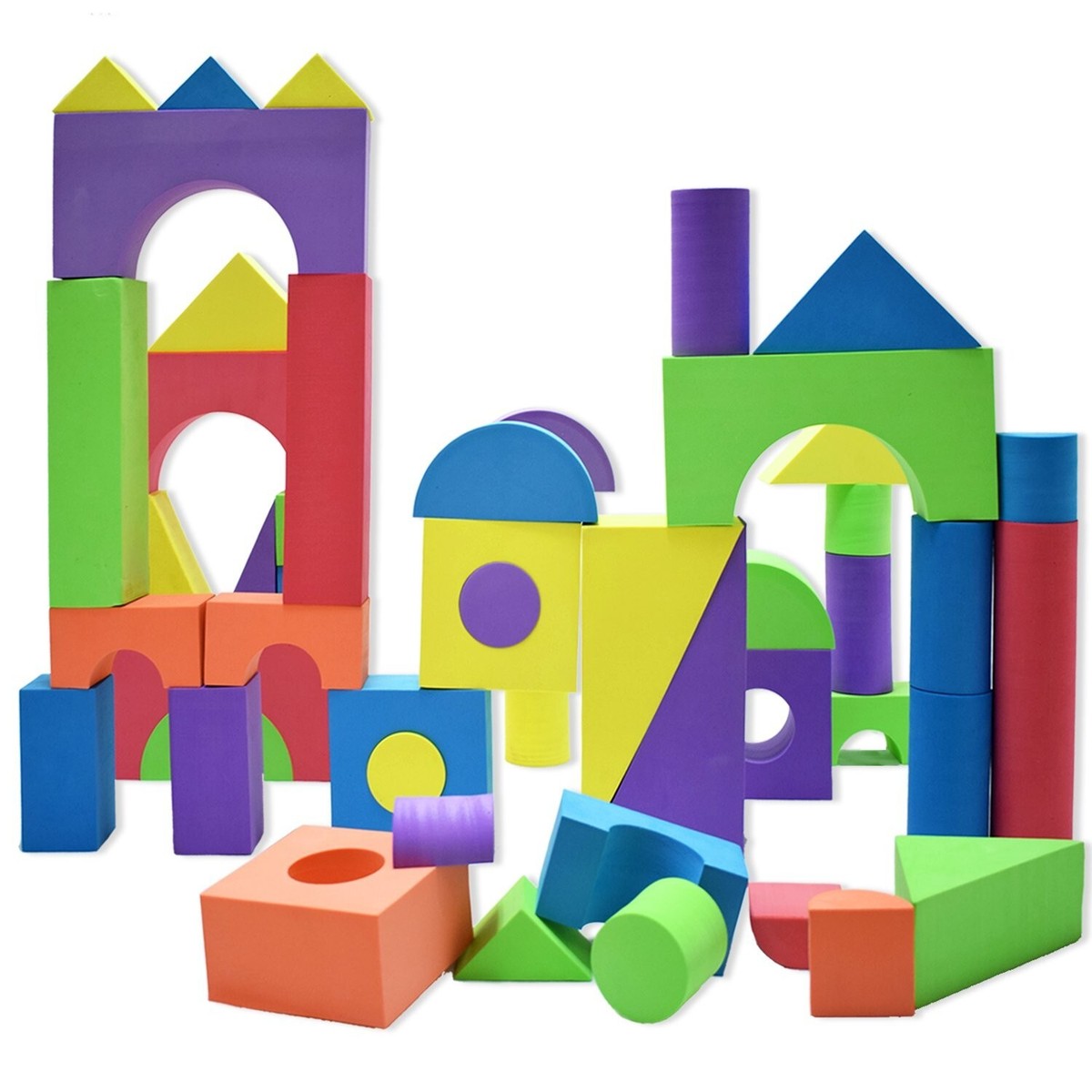
Giant building blocks are large, often colorful, frequently foam or plastic blocks designed primarily for children's play. They are significantly larger than standard building blocks, making them ideal for young children. These hefty, lightweight blocks are perfect for both indoor and outdoor use, providing hours of engaging creativity. Building with such blocks allows children to develop essential cognitive skills and physical coordination through play.
Benefits of Playing with Giant Building Blocks
Playing with giant building blocks provides an array of developmental benefits for children. These include:
- Enhancing creativity: Children can build anything their imagination inspires, from towers and castles to airplanes and houses.
- Encouraging physical activity: The act of stacking, placing, and moving large blocks is great for gross motor skills.
- Facilitating social skills: Working together on building projects fosters teamwork and collaboration.
- Improving problem-solving skills: Constructing stable structures enhances critical thinking as children experiment with balance and weight.
- Fostering communication: Engaging in collaborative play facilitates verbal skills, as children describe their ideas and plans.
Choosing the Right Blocks for Your Space
When selecting giant building blocks for your play area, consider the following factors:
- Material: Look for non-toxic and sturdy materials, such as soft foam or durable plastic, which ensure safety during play.
- Size: Choose blocks that fit well in your space and are appropriate for your child's age and physical capability.
- Color: Opt for cheerful colors that will attract children and stimulate their creativity.
- Weight: Ensure the blocks are lightweight enough for children to handle but heavy enough to prevent easy toppling.
Creative Building Techniques
Basic Structures to Try
Some simple structures you can build with giant blocks include:
- The Tower: Encourage children to stack blocks as high as possible while ensuring stability.
- The Bridge: Create a structure that spans a predefined distance, teaching principles of balance and measurement.
- The House: Construct a simple rectangular shape with a roof, giving children a sense of ownership over their ‘home’.
Incorporating Other Toys for Enhanced Play
Combining giant building blocks with other toys can enrich playtime. Consider integrating:
- Action figures: They can inhabit the creations, enhancing storytelling and imaginative play.
- Vehicles: Introduce cars or trains to navigate around or through constructed areas, adding another layer of interaction.
- Arts and crafts materials: Decorating blocks with paint or stickers can personalize designs and spark creativity.
Building Groups: Collaborative Play Ideas
Encouraging collaborative play can significantly enhance the developmental benefits of giant building blocks. Some ideas for group building include:
- Team Challenges: Set objectives, like building the tallest tower as a group, fostering teamwork.
- Story Building: Create a narrative and build scenes or characters together, enhancing creativity and communication.
- Design a Village: Each group member can build their own structure to contribute to a larger community project.
Safety Tips for Indoor Building Adventures
Childproofing Your Play Area
Creating a safe indoor environment for building is essential. Here are some tips:
- Soft surfaces: Use carpets or play mats to cushion falls and protect children from injury.
- Clear clutter: Ensure the play area is free of obstacles to reduce the risk of trips and falls.
- Maintain supervision: Always keep an eye on your children as they play, intervening when necessary.
Choosing Non-toxic Block Materials
Safety should be a priority when selecting blocks. Ensure the blocks are:
- Free from harmful chemicals: Check for non-toxic labels to ensure safety during play.
- Durable: Choose materials that withstand rough handling while maintaining structural integrity.
Supervision and Engagement Strategies
Engaging with your children during their play can enhance their experience. Consider these strategies:
- Ask open-ended questions: Prompt them with questions about what they are building and encourage storytelling.
- Join in on the fun: Participate in building activities to foster bonding and shared discovery.
- Encourage exploration: Allow freedom to explore their creativity while gently guiding them on building techniques.
Organizing Your Giant Building Block Collection
Best Storage Solutions for Blocks
Maintaining a tidy and organized play area can help prolong the life of your blocks. Here are effective storage solutions:
- Storage bins: Use colorful containers with lids to keep blocks dust-free and contained.
- Shelving units: Designate a special area for blocks, making them easily accessible for children.
How to Keep Your Play Area Tidy
To maintain an orderly play area:
- Involve children: Teach children to help clean up after playtime, promoting responsibility.
- Consolidate playtime: Set specific time slots for building to create a routine.
Incorporating Blocks into Home Décor
Building blocks aren't just for play; they can also be a vibrant addition to your home décor:
- Display finished projects: Showcase children's creations on shelves or tables as a testament to their creativity.
- Artistic arrangements: Arrange blocks in unique patterns as an eye-catching centerpiece.
Advanced Play Ideas and Challenges
Themed Building Projects for Kids
Themed building projects can add exciting challenges for children. Some engaging themes include:
- Space Missions: Challenge them to create rockets and space stations, encouraging exploration of the solar system.
- Under the Sea: Build ships and underwater structures while introducing marine biology concepts.
Hosting Build Competitions
Hosting friendly competitions can invoke a sense of excitement. Consider these ideas:
- Time Trials: See who can build a designated structure fastest.
- Judged Builds: Invite people to evaluate creations based on creativity, stability, and teamwork.
Tracking Progress and Skill Development
Tracking children's progress can provide insight into their development. Some effective methods include:
- Documenting creations: Take photos of their structures over time to visualize growth.
- Setting challenges: Encourage children to invent progressively complex designs and celebrate their accomplishments.
Frequently Asked Questions
What age is suitable for giant building blocks?
While children can engage with giant building blocks from as young as 1-2 years, they are especially beneficial for toddlers and preschoolers, generally up to age 6.
Are giant building blocks safe for indoor use?
Yes, as long as they are made from non-toxic materials and the play area is child-proofed, giant building blocks are safe for indoor play.
How can I use blocks for educational purposes?
Giant building blocks can promote skills like spatial awareness, counting, and even early geometry concepts through hands-on building and problem-solving activities.
How can I maintain the durability of the blocks?
Store blocks in a dry area and avoid exposing them to extreme temperatures. Regularly inspect them for wear and tear to ensure safety and longevity.
Can outdoor activities involve giant building blocks?
Absolutely! They can be used for outdoor play under supervision, stimulating creative minds while developing motor skills in an open environment.
As you dive into the creative world of giant building blocks, not only are you providing your children with a fun activity but you are also enriching their development in multiple domains. Whether you are seeking inspiration or specific techniques, you will surely find value in embracing these versatile playthings. To explore even more about the possibilities of giant building blocks for creating unforgettable indoor adventures, discover more!