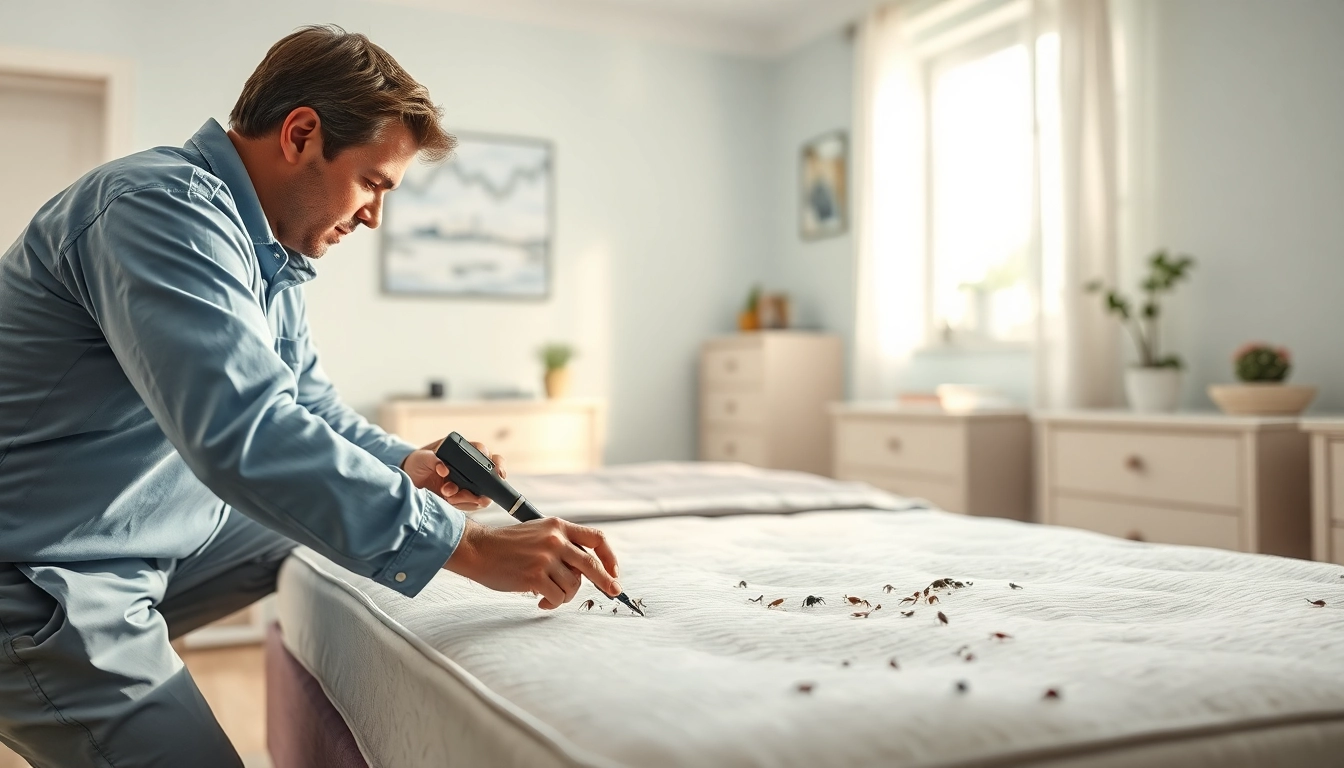
Understanding Bed Bugs and Their Habits
What are Bed Bugs?
Bed bugs are small, wingless insects belonging to the cimicid family. Their scientific name is Cimex lectularius, and they primarily feed on the blood of humans and other warm-blooded animals. These parasites typically thrive in human habitats and are known for their nocturnal feeding patterns, making them elusive and hard to detect.
Life Cycle of Bed Bugs
The life cycle of a bed bug consists of several stages: egg, nymph, and adult. A female bed bug can lay approximately 200 to 500 eggs in her lifetime. The eggs hatch into nymphs, which undergo five molts before reaching adulthood. This whole process can take around 5 to 6 weeks under optimal conditions. Understanding this life cycle is crucial for effective bed bug removal.
Signs of Infestation
Recognizing the signs of a bed bug infestation can help in preventing a full-blown crisis. Key indicators include:
- Red, itchy bites on the skin, often in a line or cluster.
- Blood spots on sheets or pillowcases.
- Dark fecal stains on mattresses or bed frames.
- Bed bug shells or exoskeletons shed during molting.
- A sweet, musty odor emanating from heavily infested areas.
Preparing for Bed Bug Removal
Assessing the Infestation
Before proceeding with bed bug removal, it's essential to assess the extent of the infestation thoroughly. Examine all areas where bed bugs are likely to reside, such as beds, furniture, and baseboards. You may also wish to conduct a room-by-room inspection to map out the extent of the problem.
Gathering Necessary Tools
Proper tools and materials can significantly enhance your chances of success. Essentials for DIY removal include:
- Vacuum cleaner with a HEPA filter.
- Sealing bags for infested clothing and linens.
- Bed bug interceptors to monitor the problem.
- Steam cleaners set at least 130°F for deep cleaning.
- Approved pesticides formulated for bed bug treatment.
Creating a Cleanup Plan
Designing an efficient cleanup plan can streamline the bed bug removal process. This plan should detail the specific actions to take, including vacuuming, laundering items, sealing infested belongings, and applying treatments. Be systematic in your approach to tackle the issue effectively.
Methods of Bed Bug Removal
DIY Removal Techniques
Many homeowners consider DIY removal techniques before seeking professional help. Effective methods include:
- Vacuuming: Thoroughly vacuum carpets, upholstery, and mattresses; dispose of the vacuum bag immediately.
- Washing: Launder bedding and cloth items at high temperatures (at least 120°F) to kill bugs and eggs.
- Heat Treatment: Use steam cleaners on mattresses, cracks, and crevices.
- Encasements: Protect mattresses and box springs with bed bug-proof encasements.
Professional Extermination Services
For severe infestations, enlisting professional extermination services may be necessary. Experts utilize advanced techniques, such as chemical treatments and thermal remediation, to ensure thorough eradication. These professionals often conduct follow-up inspections to confirm that the bed bug removal was successful.
Combining Heat Treatment and Chemical Solutions
A synergistic approach utilizing both heat treatments and chemical solutions often yields the best results. Heat can kill bed bugs at all life stages, while chemicals can address hidden bugs that may be resistant to heat. Achieving the optimal temperature and employing the right pesticides is crucial for this method’s success.
Preventing Future Bed Bug Infestations
Sealing Entry Points
Preventing bed bugs from entering your home is an essential part of a proactive strategy. Seal cracks and crevices around windows and doors, and ensure that window screens are in good condition. Regular inspections of second-hand furniture and any travel belongings can also minimize the risk of bringing bugs indoors.
Regular Inspections and Maintenance
Conduct regular inspections of your home, focusing on areas where bed bugs frequently hide. Check for physical signs of bed bugs, and consider using pest monitoring devices to track their presence. Keeping your living space clutter-free also reduces hiding spots.
Using Bed Bug Monitors
Bed bug monitors can help you assess the presence of bed bugs in your home. Placing monitors around key areas like beds and sofas can capture any bugs that might be wandering in search of a meal. This proactive monitoring can alert you to any potential issues before they escalate into a more severe infestation.
Frequently Asked Questions About Bed Bug Removal
How quickly can I eradicate bed bugs?
Eradication speed varies based on infestation extent and chosen methods. Effective bed bug removal may take several weeks to months for complete eradication.
Are DIY methods effective for bed bug removal?
DIY methods can be effective for minor infestations. However, professional help may be required for larger, widespread infestations to ensure total eradication.
What are the costs associated with professional services?
The cost of professional services varies widely based on location, severity of the infestation, and treatment methods. On average, expect to pay between $300 to $1,500 for full treatment.
How can I tell if bed bugs are completely gone?
Monitoring through visual inspections, use of bed bug monitors, and lack of bites or signs like fecal stains over several weeks can indicate that bed bugs are gone.
What precautions should I take after treatment?
Post-treatment precautions include resealing infested items, continuing to monitor for new signs, and maintaining cleanliness in living areas to prevent future infestations.