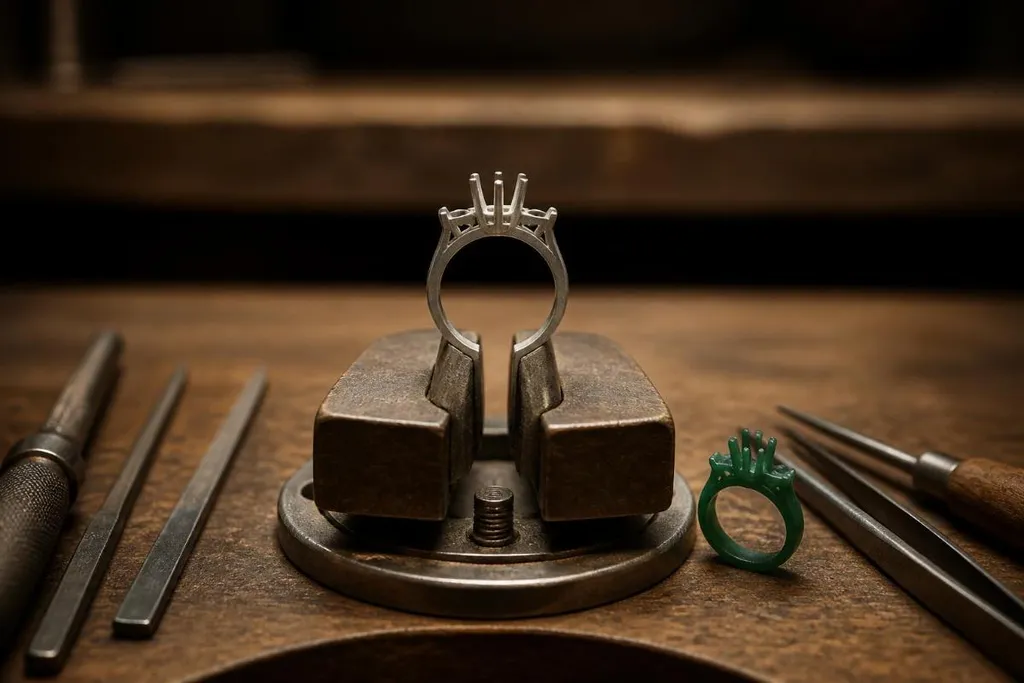
A bespoke engagement ring begins long before metal is shaped or a gemstone is set. The first stage is usually much less technical: deciding what the ring should feel like. Perhaps there is an existing design that is almost right but needs a different centre stone, or a combination of details from several rings that would work better as one considered piece. Bespoke design turns those preferences into something physically wearable.
For someone looking to order a bespoke engagement ring from Lily Arkwright, understanding the process makes those early decisions easier. Bespoke does not mean arriving with a complete technical drawing. A clear sense of preferred stone shape, metal, setting style or overall character can provide enough direction for a design conversation, with the finer proportions developed as the ring progresses.
Begin With the Design Brief
The initial consultation establishes what the finished engagement ring needs to achieve. Inspiration can come from photographs, existing jewellery, architectural details or particular features from several different ring styles.
It helps to separate essential requirements from preferences. A wearer may know that they want an oval centre stone and platinum band, for example, while remaining open to whether the shoulders should be plain or diamond-set. Establishing those priorities gives the designer room to solve practical details without losing the original idea.
Lifestyle should form part of the brief too. Someone who regularly works with their hands may benefit from a lower, more protected setting. Another wearer may deliberately prefer a higher profile because they enjoy a more prominent centre stone or want a particular relationship with the future wedding band.
Budget is equally useful at this stage. It guides choices around gemstone size, complexity and materials before unnecessary design work is undertaken.
Select the Gemstone for the Complete Ring
Choosing a centre stone is about more than selecting the highest specification available.
Shape has an immediate influence on the design. Round stones create symmetry, while oval, pear and marquise shapes introduce length. Emerald and Asscher cuts bring stronger geometry, whereas cushion shapes provide softer proportions.
Size should be considered in relation to the hand and setting. Someone might prefer a 2-carat stone over a 1-carat alternative because the additional face-up dimensions balance a wider band or suit longer fingers. Another person may find that a smaller centre stone leaves room for more detailed shoulders or side stones without making the overall ring feel crowded.
Where relevant, certification can provide independent information about characteristics such as carat weight, colour, clarity and measurements. Those specifications are useful, but visual balance remains essential.
A bespoke design should be built around the chosen stone rather than forcing the gemstone into proportions established too early.
Refine Proportions Before Craftsmanship Begins
Once the core concept and gemstone have been established, the design can move into detailed development.
This is where small measurements become significant. Band width, setting height, claw placement and the dimensions of side stones all influence the finished appearance. A difference that seems minor on paper can noticeably change how delicate or substantial a ring feels.
The relationship with a future wedding band should also be considered. If a straight band needs to sit flush beside the engagement ring, the gallery and setting profile must allow sufficient space. If a shaped wedding ring is preferred, the engagement setting can be approached differently.
Bespoke design is particularly valuable here because proportions can be resolved around individual preferences rather than accepting every element of an existing standard design.
The goal is not simply to create something different. It is to make each detail feel intentional.
From Approved Design to Finished Ring
After the design has been agreed, specialist craftsmanship turns the concept into the finished piece.
The chosen precious metal affects both appearance and character. Platinum provides a naturally white finish and substantial feel, while white gold offers another cool-toned option. Yellow gold creates warmth and contrast, and rose gold can soften the overall palette.
Setting is one of the most important finishing stages. The centre gemstone and any smaller accent stones need to be held securely while preserving the proportions established during design.
Final finishing then brings the surfaces, edges and setting details together. Before the ring enters regular wear, it should feel coherent from every angle—not only impressive from above.
Aftercare remains relevant once the proposal has passed. Professional cleaning and periodic setting inspections help preserve a bespoke ring through years of daily use.
Final Thought
The bespoke engagement ring process works best as a collaboration between an initial idea and specialist design expertise. Buyers do not need to know every technical detail before beginning; they need to understand what matters most to the person who will wear the ring.
By refining the concept through gemstone choice, proportions, metal and practical considerations, bespoke design can create something more meaningful than novelty alone. The finished ring should feel personal because every decision has a reason—and natural enough to wear for a lifetime.