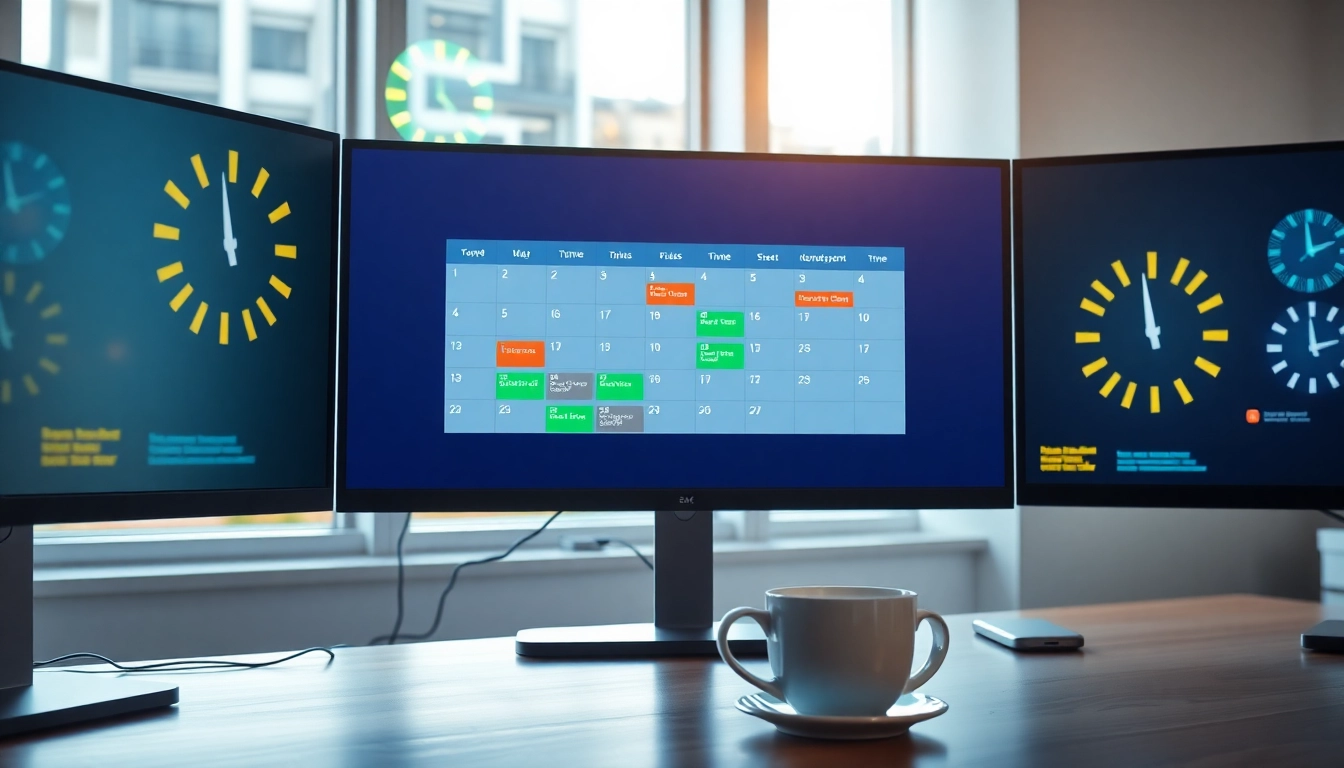
Understanding AI Scheduling with Time Zones
The modern world operates on a global scale, compelling individuals and businesses to engage across borders. With remote work and international collaborations becoming commonplace, managing schedules across various time zones presents a significant challenge. This is where AI scheduling with time zones comes into play. By leveraging artificial intelligence, businesses can streamline their scheduling processes while considering different time zones, thereby enhancing productivity and promoting effective collaboration. In this article, we will explore the intricacies of AI scheduling with time zones, delving into its benefits, challenges, and best practices for implementation.
The Basics of AI Scheduling Explained
AI scheduling harnesses the power of artificial intelligence algorithms to automate and optimize the process of arranging meetings or events. It analyzes vast amounts of data, such as participants' availability, time zones, and preferences, to provide the best time slots for all parties involved. This technology not only saves time but also minimizes the potential for error in manual scheduling tasks. The essence of AI scheduling lies in its ability to learn from historical data and user behavior, improving its recommendations and efficiency over time.
Importance of Time Zones in Scheduling
Time zones can drastically impact scheduling efficiency. A meeting planned without considering time zone differences can lead to confusion, missed appointments, and frustration among participants. It's essential to recognize that while one team member may be ready for a virtual meeting at 10 AM in New York, that time translates to 7 AM in Los Angeles and 3 PM in London. Understanding these differences is crucial for any organization functioning in a global landscape. AI scheduling tools help mitigate these issues by automatically adjusting for time zones, displaying local times for each participant and ensuring everyone is accurately informed.
How AI Enhances Time Zone Management
AI enhances time zone management by integrating with calendar applications to provide real-time updates and reminders adjusted to each participant's local time. Additionally, AI can predict the best meeting times based on previous interactions, participant availability, and historical preferences, leading to more effective scheduling. By automating these processes, AI reduces the cognitive load on individuals and eliminates the possibility of miscommunication arising from time zone confusions.
Common Challenges with AI Scheduling with Time Zones
Miscommunication Across Time Zones
One of the most prevalent challenges in scheduling across time zones is miscommunication. Often, participants may not be fully aware of their local time changes concerning other participants, which can lead to missed meetings. AI scheduling tools are equipped to remind users about time zone differences, but users must remain diligent about their local time conversion.
Inaccuracies in Timing
Inaccurate timings can result from discrepancies in calendar settings, such as daylight saving adjustments. AI scheduling solutions strive to accommodate such changes, but if users do not maintain their calendar settings accurately, problems may arise. Thus, it’s critical for users to ensure that their tools are correctly configured to reflect their true local time settings.
Overcoming Scheduling Conflicts
Scheduling conflicts are a significant hurdle when planning meetings across time zones. Conflicts may arise if participants’ availability does not align or due to conflicting schedules. AI scheduling can analyze availability patterns and suggest alternative times while considering all participants' previous preferences. Hence, organizations must use these tools proactively to facilitate smoother engagements.
Best Practices for Effective AI Scheduling
Utilizing Time Zone Features
To maximize the benefits of AI scheduling, users should take full advantage of time zone features offered by their scheduling software. This includes setting preferences for recurring meetings, understanding how time zones affect meeting availability, and ensuring all participants have their calendars updated accurately. By doing so, organizations can improve engagement and satisfaction levels for meetings scheduled across different regions.
Integrating AI Tools into Current Systems
Integration of AI scheduling tools into existing work systems is essential to enhance efficiency. Organizations should align their communication and collaboration platforms with AI scheduling solutions, ensuring seamless transitions between tools. Effective integration minimizes friction in workflows, giving teams more time to focus on core tasks rather than logistical coordination.
Establishing Clear Communication Guidelines
Setting clear communication guidelines is crucial when managing AI scheduling across time zones. Organizations should adopt policies outlining best practices for scheduling meetings, such as indicating preferred time slots and understanding each team member's time zone. This not only facilitates smoother scheduling processes but also fosters a culture of respect for others' time.
Real-life Examples of AI Scheduling Success
Case Study: Remote Teams
A remote team spread across the globe utilized AI scheduling tools to streamline their weekly check-ins. By analyzing team members’ availability and preferences, the tool was able to suggest optimal times for meetings, taking into consideration time zone differences. This approach allowed the team to hold productive discussions without the usual scheduling back-and-forth, resulting in increased efficiency and team morale.
Case Study: Global Events
For an international conference that catered to attendees from various time zones, the organizers relied on AI scheduling to determine the best time slots for speakers and sessions. By efficiently managing the symbolic clock differences, they successfully optimized participation rates. Post-event surveys revealed that attendees appreciated the organization and clear communication across the scheduling process, showcasing the effectiveness of AI in addressing logistical challenges in such complex settings.
Case Study: Client Engagements
A consulting firm serving clients worldwide adopted AI scheduling tools to manage client meetings. By incorporating time zone adjustments, they cultivated stronger relationships with clients, who valued prompt, well-organized meetings. Implementing this technology led the firm to experience a near 30% increase in client satisfaction scores around efficient meeting management.
Measuring Success in AI Scheduling with Time Zones
Key Performance Indicators to Track
To evaluate the effectiveness of AI scheduling, organizations should identify key performance indicators (KPIs) such as meeting attendance rates, time saved in scheduling processes, and overall participant satisfaction. Tracking these metrics allows businesses to adjust their strategies and improve the efficacy of their scheduling practices over time.
Feedback Mechanisms for Improvement
Establishing feedback mechanisms is essential for continuous improvement in AI scheduling practices. Organizations may consider post-meeting surveys or a feedback loop integrated into scheduling tools to gather insights from participants. Such information serves as a foundation for refining scheduling strategies, ensuring they meet the evolving needs of all team members.
Long-term Benefits of Efficient Scheduling
Efficient scheduling through AI and time zone management yields long-term benefits, including enhanced productivity, stronger collaboration, and improved employee satisfaction. Organizations that invest in these technologies often find that their teams are more synchronized, focused, and engaged, which manifests in better overall performance and achievement of business objectives.
Frequently Asked Questions
1. What is AI scheduling?
AI scheduling is an automated process that uses artificial intelligence to arrange meetings and events, taking into account participants' availability and preferences.
2. Why are time zones important in scheduling?
Time zones are crucial because they determine when participants can join meetings, preventing confusion and missed appointments across regions.
3. How can AI help with time zone management?
AI helps by automatically converting meeting times across different time zones, ensuring that all participants are informed of their local time settings.
4. What are common challenges with AI scheduling?
Common challenges include miscommunication about timing, inaccuracies in calendar settings, and scheduling conflicts among participants.
5. How can organizations measure the success of AI scheduling?
Success can be measured through KPIs such as meeting attendance rates, time savings in scheduling, and participant feedback on the process.