Understanding Dump Trailers: Features and Benefits
What is a Dump Trailer?
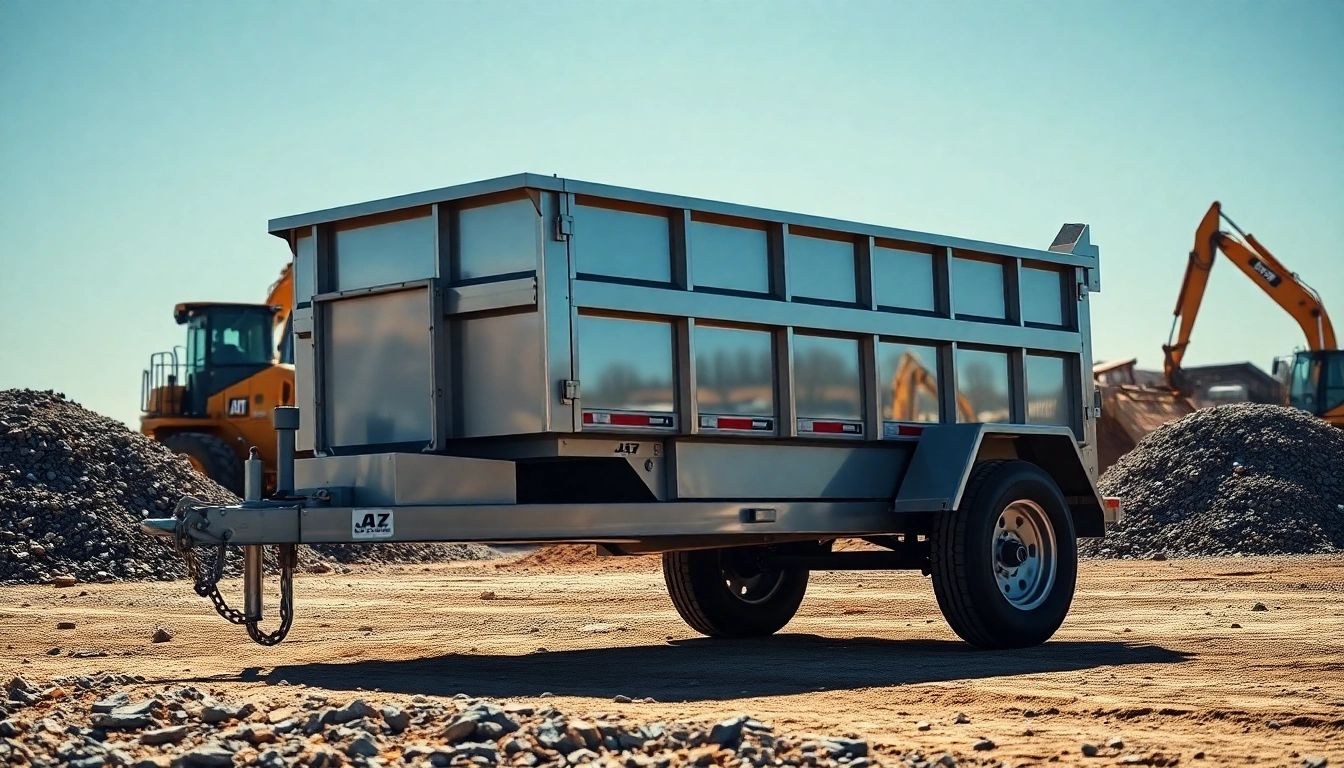
A dump trailer is a specially designed trailer that is equipped with a hydraulic lift mechanism, allowing it to tilt and unload its contents with minimal manual effort. This type of trailer is commonly used for transporting loose materials such as gravel, sand, dirt, and debris. The versatility of a dump trailer makes it an indispensable tool in various industries, ranging from construction and landscaping to waste management and municipal services.
Key Features of Dump Trailers
Dump trailers come with a variety of features that enhance their usability and effectiveness:
- Hydraulic Lift System: Most dump trailers are equipped with a hydraulic system that allows for easy dumping of loads.
- Constructed Materials: Typically made of heavy-duty steel or aluminum, they are designed to withstand harsh treatment and heavy loads.
- Variety of Sizes: Available in different sizes and capacities to fit various hauling needs.
- Safety Features: Many come with safety chains, breaks, and reflective materials to ensure they can be safely towed.
- Customizable Options: Some trailers can be customized with additional features such as toolboxes, adjustable tailgates, and sides.
Benefits of Using Dump Trailers
Using a dump trailer provides numerous advantages:
- Efficiency: The ability to unload materials quickly saves time on job sites.
- Cost-Effectiveness: Reduces the need for manual labor for loading and unloading tasks.
- Versatility: Can be used for a range of applications from hauling to landscaping projects.
- Durability: Constructed to last, they can handle heavy-duty use without significant wear and tear.
- Improved Safety: Minimizes the risk of injury associated with manual unloading of materials.
Choosing the Right Dump Trailer for Your Needs
Considerations for Size and Capacity
When selecting a dump trailer, one of the most critical factors to consider is its size and capacity. Dump trailers range from smaller models ideal for residential projects, to larger models suitable for commercial and industrial uses. It’s essential to evaluate:
- Load Weight: Assess the weight you expect to carry regularly. This will help you choose a model with the appropriate weight rating.
- Volume Requirements: Consider how much material you need to transport at once to select the right size.
- Towing Capacity: Ensure that your towing vehicle can handle the weight of the trailer fully loaded.
Assessing Durability and Material
Durability is another crucial factor in choosing a dump trailer. Look for trailers constructed from robust materials such as:
- Steel: Generally more durable but heavier, making it ideal for tough jobs.
- Aluminum: Lightweight and resistant to rust, aluminum trailers are excellent for lighter loads and frequent towing.
- Composite Materials: Some trailers feature composite materials that offer a balance between weight and strength.
Additionally, consider the trailer’s frame construction, axles, and flooring material when evaluating durability.
Trailer Mechanisms: Hydraulic vs. Electric
The mechanism of operation in dump trailers greatly affects their functionality. Two common mechanisms include:
- Hydraulic Systems: These trailers utilize a hydraulic pump to lift and lower the bed. They are generally more powerful and efficient for heavier loads.
- Electric Systems: Less common, electric mechanisms can be easier to maintain and are often found on smaller dump trailers aimed at less demanding tasks.
Your choice will depend on the type of work you plan to undertake and the loads you expect to haul.
Best Practices for Operating a Dump Trailer
Safety Tips for Loading and Unloading
Operating a dump trailer safely should always be a priority. Follow these essential safety tips:
- Load Weight Distribution: Ensure that the load is evenly distributed to avoid tipping during transport.
- Secure Loads: Use tarps or netting to secure loose material and prevent spillage.
- Lower the Trailer on Flat Ground: Always make sure the trailer is on level ground before unloading to maintain stability.
- Observe Local Regulations: Be familiar with local laws regarding load weight and travel restrictions.
Maintenance Essentials for Longevity
Proper maintenance of your dump trailer is necessary to prolong its life. Key practices include:
- Regular Inspections: Check tire pressure, brakes, and lights before use.
- Lubrication: Regularly lubricate moving parts, including the lift mechanism.
- Cleaning: Remove debris and wash the trailer frequently to prevent rust and wear.
- Check for Damage: Regularly inspect for dents, cracks, or corrosion that could affect safety.
Proper Towing Techniques
To ensure a safe and effective towing experience:
- Use a Suitable Hitch: Make sure your hitch matches the weight rating of the dump trailer.
- Maintain Appropriate Speed: Drive at a safe speed to maintain control, especially on inclines or declines.
- Practice Turns and Stopping: Be extra cautious when making turns or stopping to avoid swaying or accidents.
Common Uses for Dump Trailers across Industries
Construction and Demolition Applications
In the construction and demolition sectors, dump trailers serve numerous purposes, such as transporting construction debris, aggregates, and tools. They are invaluable for:
- Hauling away demolition waste.
- Transporting equipment and materials to job sites.
- Removing excess soil or gravel from excavation sites.
Landscaping and Earth Moving
In landscaping, dump trailers are crucial for moving soil, mulch, stones, and other materials. Their uses include:
- Delivering soil and mulch to residential or commercial landscaping sites.
- Removing excess materials from landscaping projects.
- Transporting construction materials for landscaping designs.
Industries Leveraging Dump Trailers
Several industries benefit from using dump trailers:
- Waste Management: Used for transporting waste to landfills or recycling facilities.
- Agriculture: Useful in hauling feed, seed, or agricultural equipment.
- Municipal Services: Often used in public works for street cleanup and maintenance.
Frequently Asked Questions about Dump Trailers
What can a dump trailer be used for?
A dump trailer can be used for various purposes including transporting gravel, dirt, debris, and other loose materials for construction projects, landscaping work, and waste management.
How do I prevent damage to my dump trailer?
Regular maintenance is crucial. Check for wear and tear, ensure loads are secured properly, and avoid exceeding the trailer's weight capacity.
What is the average weight capacity of a dump trailer?
Dump trailers can typically handle between 3,000 to 14,000 pounds, depending on their size and construction. Always check the specifications before loading.
How often should I service my dump trailer?
Regular checks should be performed before each use. A more detailed servicing should be conducted every six months or after heavy usage to ensure safety and reliability.
Can I customize my dump trailer for specific tasks?
Yes, many manufacturers offer options for customization, allowing you to add features like toolboxes, adjustable sides, or specialized lifts suited to your specific needs.