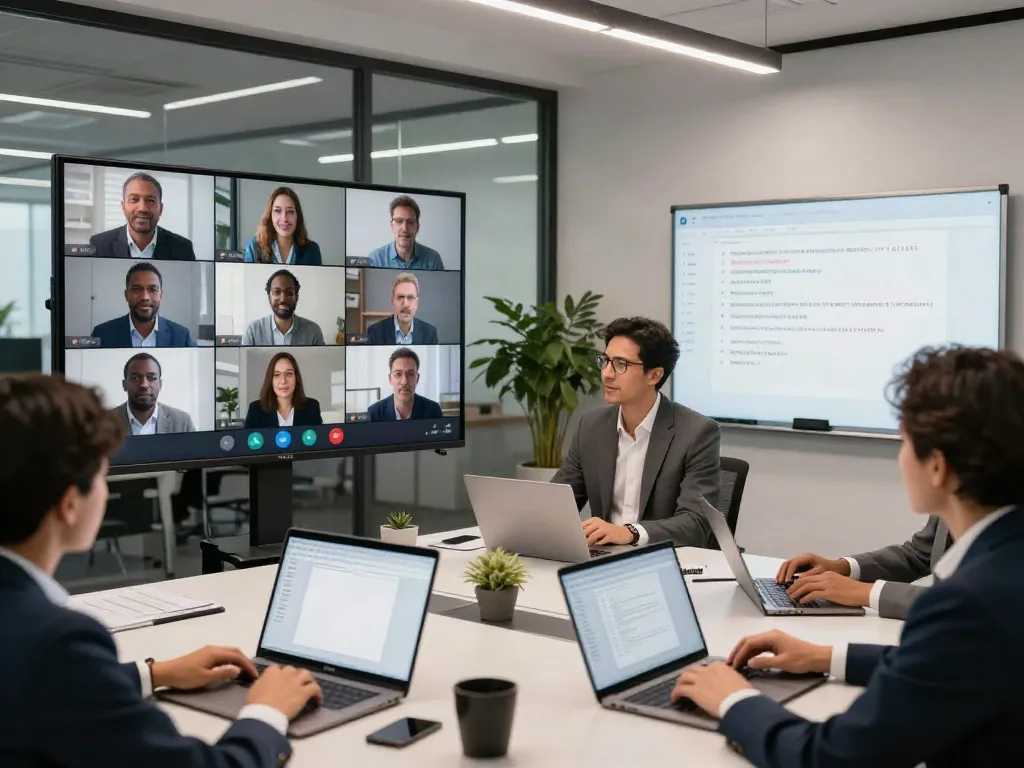
Understanding Deepfake Technology and Its Implications
As video conferencing becomes an integral part of modern communication, the rising threat of sophisticated deepfake technology poses significant challenges to reliability and trustworthiness in these platforms. Deepfakes use artificial intelligence to create hyper-realistic fake audiovisual content that can undermine the integrity of meetings and conversations. With the potential for misuse, businesses need to prioritize Deepfake protected Conferencing solutions to safeguard their operations and reputations.
What are Deepfakes?
Deepfakes are synthetic media in which a person’s likeness is replaced with someone else’s in a video or audio format. This technology leverages deep learning algorithms to manipulate and produce results that can be indistinguishable from real recordings. Various tools, such as generative adversarial networks (GANs), enable creators to fabricate realistic images or sounds that can trick viewers into believing the content is genuine.
Legal and Ethical Considerations of Deepfake Technology
The legal landscape surrounding deepfakes is evolving. Various jurisdictions are grappling with the ethical implications of this technology, particularly when it intersects with issues like privacy, consent, and the potential for misinformation. In 2024, several legislative efforts are underway to regulate the use of deepfakes, particularly those that deceive or defame individuals. Ethical discussions also focus on the potential for deepfake technology to affect freedom of expression versus the need to curb harmful uses.
The Risks of Unprotected Conferencing Solutions
As businesses shift to remote work and rely more on digital communication, the absence of protective measures in video conferencing can expose them to various risks. Unsecured platforms may be vulnerable to deepfake intrusions, leading to fraud, reputational damage, or the unauthorized transfer of information. Moreover, the psychological impact on employees and stakeholders can be severe, leading to a breakdown in trust that is difficult to rebuild.
Implementing Deepfake Protection Measures
To mitigate the risks associated with deepfakes, organizations must adopt comprehensive protection strategies tailored to their specific needs and the nature of their operations. This involves understanding the types of tools available and how to effectively use them in conjunction with existing security protocols.
Best Practices for Securing Video Conferencing
- Use end-to-end encryption: Ensure that video calls are encrypted from sender to receiver to prevent unauthorized access.
- Implement strong authentication: Require multi-factor authentication for meeting access to ensure only authorized participants are present.
- Educate staff: Regular training sessions on recognizing deepfake content and safeguarding sensitive information can foster a culture of vigilance.
Authentication and Verification Techniques
Employing robust authentication methods can greatly reduce the threat of deepfake attacks. Options include biometric verification, which utilizes fingerprint or facial recognition, and digital signatures that can verify the source of video content. Organizations might also consider timestamping digital content to establish a credible proof of when a video was created, enhancing accountability.
Choosing Secure Conferencing Platforms
Selecting a secure conferencing platform is crucial. Companies should seek providers with a strong track record of security features, such as real-time detection of anomalies, user verification, and the ability to flag potential deepfake content. Researching and comparing the capabilities of different platforms can help organizations find the right fit for their specific needs.
Detecting Deepfake Content in Real-Time
Real-time detection of deepfakes is becoming increasingly vital as the technology evolves. Implementing tools that can differentiate between authentic and manipulated content is a proactive approach to maintaining the integrity of video conferences.
Recognition Technologies: How They Work
Deepfake detection technologies use advanced algorithms to analyze facial expressions, body language, and audio patterns to identify discrepancies that might indicate manipulation. These technologies continuously improve by learning from new patterns, which is essential given the rapid development of deepfake creation tools.
Integrating AI for Real-Time Detection
Artificial intelligence (AI) plays a pivotal role in enhancing the capabilities of deepfake detection systems. By employing machine learning models trained on vast datasets of genuine and manipulated media, organizations can bolster their defenses against deepfake content. Real-time detection systems can provide instant alerts during video conferences, enabling quick responses to potential threats.
Training Teams to Identify Deepfake Threats
Effective training programs for employees on how to identify deepfake threats are crucial. Employees should be taught to look for specific indicators of fakes, such as unnatural facial movements or inconsistent lighting. Practical exercises using both genuine and manipulated content can help sharpen their skills in distinguishing between the two.
Evaluating the Effectiveness of Your Protection Strategies
Regular evaluation of deepfake protection strategies is essential for maintaining a secure environment. Organizations should monitor the effectiveness of their measures and adapt to new challenges posed by emerging technologies.
Key Performance Indicators for Safety Measures
Establishing key performance indicators (KPIs) can help organizations measure the effectiveness of their deepfake protection strategies. Metrics such as the number of detected threats, response time to potential breaches, and employee awareness levels are valuable in assessing the overall security framework.
Conducting Regular Security Audits
Security audits are essential for identifying vulnerabilities within video conferencing systems. Regular assessments can help organizations stay ahead of potential threats by ensuring that all security measures are up-to-date and functioning as intended.
Feedback Loops: Learning from Past Incidents
Creating feedback loops that document experiences with deepfake incidents provides organizations the opportunity to learn from past mistakes. By analyzing these situations, companies can improve their protocols and provide better training for their teams moving forward.
Future Trends in Deepfake Protection for Conferencing
As the landscape of deepfake technology continues to evolve, organizations need to remain informed about upcoming trends that may impact their video conferencing security.
Technological Advancements to Watch in 2026
Emerging technologies such as quantum computing may revolutionize the way deepfakes are created and detected. Organizations must stay abreast of advancements in detection capabilities that utilize AI and blockchain technology, which can enhance security and authenticity in video conferencing.
Regulatory Changes Impacting Video Conferencing Safety
Anticipated regulatory changes may shape how businesses handle deepfake technology in the workplace. Staying informed about new laws and compliance requirements will be critical for organizations to secure their operations and avoid legal repercussions.
The Importance of Continuous Education and Adaptation
Continuous education on deepfake technology and its implications will be paramount as this field progresses. Regular workshops, updates on recent developments, and encouraging a culture of open communication about new threats can help organizations adapt to evolving challenges in video conferencing.
What are the benefits of using deepfake protection in conferencing?
Implementing deepfake protection measures enhances trust and communication integrity, minimizes the risk of misinformation, and secures sensitive information during meetings. This ultimately leads to better decision-making and stronger relationships among stakeholders.
How can businesses ensure their video conferences are secure?
Businesses can ensure secure video conferences by selecting reputable conferencing platforms that offer robust security features, integrating real-time detection technologies, and conducting regular employee training on identifying deepfakes and other potential threats.
What tools can help in detecting deepfake videos and audio?
There are various tools designed for deepfake detection, including machine learning algorithms, facial recognition systems, and platforms that analyze inconsistencies in audio and visual data. Organizations should evaluate and implement these tools based on their specific requirements and risk profiles.
Are there legal repercussions for using deepfakes in business?
Using deepfakes for malicious purposes in a business context can lead to legal ramifications, including lawsuits for defamation or fraud. Companies must ensure that their use of any deepfake technology adheres to laws and ethical guidelines to avoid significant penalties.
How to prepare staff for the challenges of deepfake technology?
Preparing staff for deepfake technology challenges involves comprehensive training programs, regular updates about new threats and detection methods, and creating an environment that encourages vigilance and reporting of suspicious activities. A proactive approach can significantly mitigate risks associated with deepfakes.