Understanding the Ingredients in Senior Dog Joint Supplements
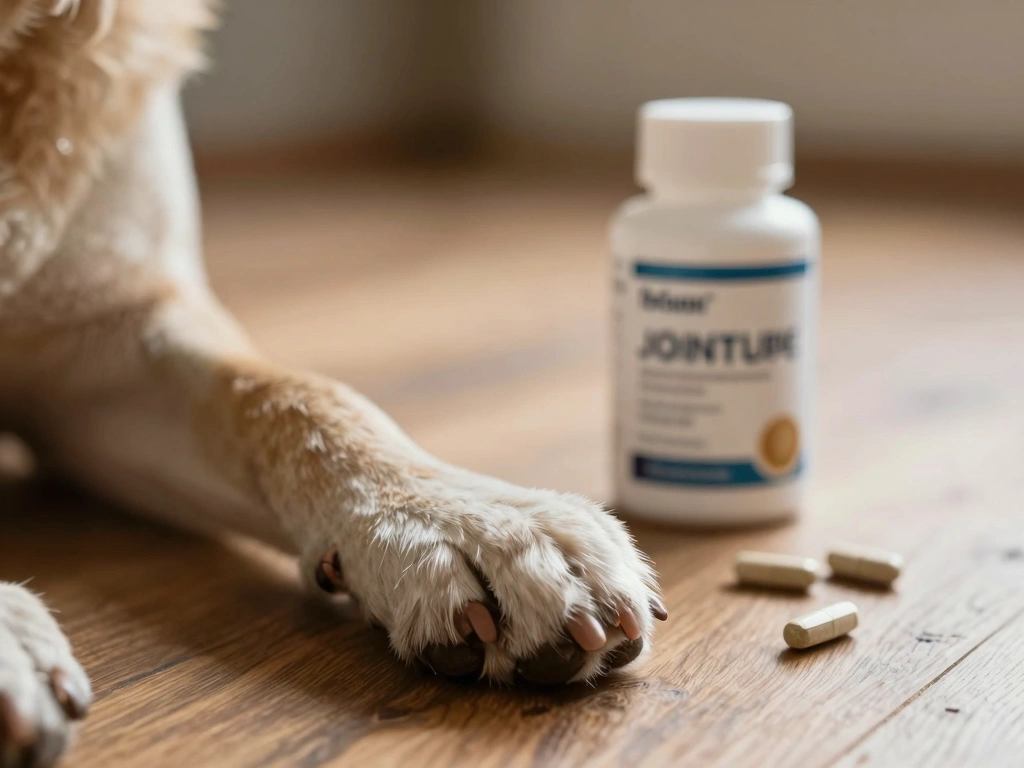
When it comes to senior dog joint supplements, the ingredients are crucial to their efficacy and overall quality. Many products flood the market, but not all provide the same benefits. Understanding the core components of these supplements can help pet owners make informed choices for their furry friends.
Common Active Ingredients and Their Efficacy
Senior dogs often face joint issues due to aging, and many supplements aim to alleviate discomfort and improve mobility. Common active ingredients include:
- Glucosamine: Typically sourced from shellfish, glucosamine is known for its ability to support cartilage production and repair. Studies have shown that glucosamine can significantly improve joint health in dogs, particularly those suffering from osteoarthritis.
- Chondroitin: Often paired with glucosamine, chondroitin can help retain water in cartilage, promoting elasticity and resilience. When combined with glucosamine, studies suggest that it may enhance pain relief and increase joint function.
- MSM (Methylsulfonylmethane): This organic sulfur compound is believed to have anti-inflammatory properties. Research indicates that MSM may help reduce pain and improve joint mobility in aging dogs.
- Omega-3 Fatty Acids: Found in fish oil, these essential fatty acids are known to reduce inflammation and promote joint health. A study published in the Journal of the American Veterinary Medical Association found that omega-3s can help improve mobility in dogs with arthritis.
The efficacy of these ingredients can vary widely based on their quality and concentration in the supplement.
Quality of Sourcing and Manufacturing Practices
The quality of ingredients is paramount. High-quality supplements often source their ingredients from reputable suppliers who adhere to strict quality control standards. For example, the glucosamine used in a premium product may come from sustainably harvested shellfish, while lower-quality brands might use synthetic or lower-grade alternatives. Manufacturing practices also play a significant role. Facilities that follow Good Manufacturing Practices (GMP) ensure that supplements are produced consistently and safely. Brands that invest in high-quality manufacturing processes are more likely to deliver effective products.
Presence of Fillers and Additives
Many supplements on the market include fillers and additives that do not contribute to joint health. Ingredients like artificial colors, flavors, and preservatives can dilute the effectiveness of the active ingredients. A quality supplement will have a short ingredient list, focusing on active components and natural preservatives, if any. For instance, a product containing only glucosamine, chondroitin, and natural flavoring is typically of higher quality than one that includes a long list of unrecognizable additives. Pet owners should scrutinize ingredient labels to avoid low-quality products.
The Role of Research and Development in Supplement Quality
The quality of senior dog joint supplements is often influenced by the level of investment in research and development (R&D). Companies dedicated to R&D are more likely to create effective products based on scientific evidence.
Investment in Scientific Studies and Trials
Quality brands often invest in clinical trials to support the efficacy of their formulations. For example, Nutramax Laboratories, the maker of Cosequin, has conducted numerous studies demonstrating the effectiveness of their glucosamine-chondroitin combination in improving joint health in dogs. These studies provide a foundation of trust and assurance for consumers. Conversely, lesser-known brands may lack such studies, relying on anecdotal evidence or marketing hype. Without scientific backing, it is challenging to assess the real effectiveness of their products.
Collaboration with Veterinary Experts
Top-tier supplement brands frequently collaborate with veterinarians and animal nutritionists during product development. This ensures that the formulations are based on the latest research and best practices in veterinary medicine. For instance, products developed with input from veterinary professionals ensure that they meet the specific needs of senior dogs.
Innovation in Formulation Techniques
Recent advancements in formulation techniques, such as the use of microencapsulation for active ingredients, can enhance the bioavailability of the supplements. This means that the nutrients are more effectively absorbed by the dog’s body, leading to better outcomes. Brands that prioritize innovation are more likely to offer higher-quality products.
Regulatory Standards and Certification Processes
The regulatory landscape for pet supplements can greatly influence quality. Understanding these standards is crucial for pet owners seeking high-quality joint supplements for their senior dogs.
Overview of Industry Regulations for Pet Supplements
In the United States, the Food and Drug Administration (FDA) does not regulate pet supplements as strictly as human medications. This means that companies are not required to prove the efficacy or safety of their products before marketing them. However, some states have their regulations, and reputable companies often adhere to higher standards voluntarily. For example, the Association of American Feed Control Officials (AAFCO) provides guidelines for the labeling and quality of pet foods and supplements. Brands that comply with AAFCO standards are typically more reliable.
The Importance of Third-Party Testing
Third-party testing is a vital aspect of ensuring the quality of joint supplements. Third-party organizations, such as the National Animal Supplement Council (NASC), provide certifications that indicate a product has been tested for quality, potency, and safety. Brands that display these certifications can instill more confidence in consumers. For instance, a joint supplement with NASC certification has undergone rigorous testing, ensuring that it meets high-quality standards. This certification can be a deciding factor for pet owners comparing various products.
Impact of Certifications on Consumer Trust
Certifications can significantly impact consumer trust. When a brand showcases its adherence to quality standards through certifications, it enhances its credibility. This is particularly important in the pet supplement market, where consumers are increasingly concerned about the well-being of their animals. For example, brands like VetriScience and Zesty Paws, which boast various certifications, often command higher trust levels among pet owners, leading to increased sales and customer loyalty.
Consumer Awareness and Marketing Practices
Consumer awareness plays a crucial role in how joint supplements are perceived in the market. Understanding marketing practices can help pet owners make more informed decisions.
How Marketing Influences Perceptions of Quality
Marketing strategies can significantly influence consumer perceptions. Brands often utilize emotional appeals, emphasizing the bond between pets and their owners. Advertisements may depict happy, active dogs, leading consumers to associate a product with improved quality of life for their pets. However, savvy pet owners should look beyond marketing claims and focus on the product’s ingredients and scientific backing. For example, a product may have eye-catching packaging and persuasive advertising, but without robust research, its effectiveness may be questionable.
The Role of Reviews and Testimonials
Online reviews and testimonials can provide valuable insights into the effectiveness of joint supplements. Pet owners often share their experiences, which can help others make informed decisions. Brands with a high number of positive reviews, such as Pet Naturals or NaturVet, often indicate a reliable product. However, it’s essential to approach reviews critically. Look for patterns rather than isolated anecdotes, and be wary of products with predominantly negative feedback.
Misleading Claims and Their Consequences
Some brands may engage in misleading marketing practices, making exaggerated claims about their products' efficacy. For instance, a supplement may claim to “cure” arthritis, which is misleading, as supplements can only help manage symptoms, not eliminate the condition. Such claims can lead to consumer distrust and may even harm pets if owners rely solely on ineffective products. Pet owners should be vigilant and seek products that are transparent about their benefits and limitations.
Price Variation and Its Correlation with Quality
Price variation is another factor that can indicate the quality of senior dog joint supplements. Understanding how pricing correlates with quality can help pet owners make sound decisions.
Understanding Price Points in the Supplement Market
The price of joint supplements can range from a few dollars to over a hundred dollars for premium formulations. Generally, higher-priced products tend to contain higher-quality ingredients and are backed by scientific research. For example, a bottle of Cosequin may cost around $30, while a lesser-known brand might be available for $10. While price is not the sole indicator of quality, it can provide a useful guideline. Lower-priced products may skimp on active ingredients or rely on fillers, which compromises their effectiveness.
Value for Money: What to Look For
When evaluating supplements, pet owners should consider the ingredient quality, concentration, and overall formulation. A product that may initially seem expensive could offer better value if it contains higher-quality ingredients and has proven efficacy. For example, a premium joint supplement that contains a higher concentration of glucosamine and chondroitin may yield better results than a cheaper option with lower concentrations. Reading ingredient labels and researching ingredient quality can help pet owners determine the best value.
Balancing Cost and Quality in Product Selection
Finding the right balance between cost and quality is essential. Pet owners should prioritize products that meet high-quality standards while remaining within their budget. Utilizing resources such as veterinarian recommendations and product reviews can aid in making informed choices. In conclusion, the quality of senior dog joint supplements varies significantly due to differences in ingredient quality, manufacturing practices, regulatory standards, and marketing strategies. By understanding these factors, pet owners can make informed choices and ensure that their senior dogs receive the best possible care for their joint health.